
Team Size: 17
Timeframe: 4 months
Sprint Timeframe: 6 weeks
Role: Interactive Editor (Lead)
Key Contributions: Challenge 1, Payoff, Master Logic
Learning Prompt: Identifies Defining Features of Shapes
Date Sprint Completed: February 2022
In the Mission, Dodo needs your help in Shape City to help fix a mural that has been splattered with paint, and finish it with more shapes, in time for a birthday party. The player is tasked with identifying different features of shapes (i.e. parallel lines, right angles) to help complete this mural.
Working during 6-week timeframe during January and February of 2022, this was another project that I “owned” as lead interactive editor, managing the master logic in addition to the given challenge assigned, as well as various upkeep tasks as well (i.e. holding the core project file on your computer, running exports, and uploading to Box and gitHub).
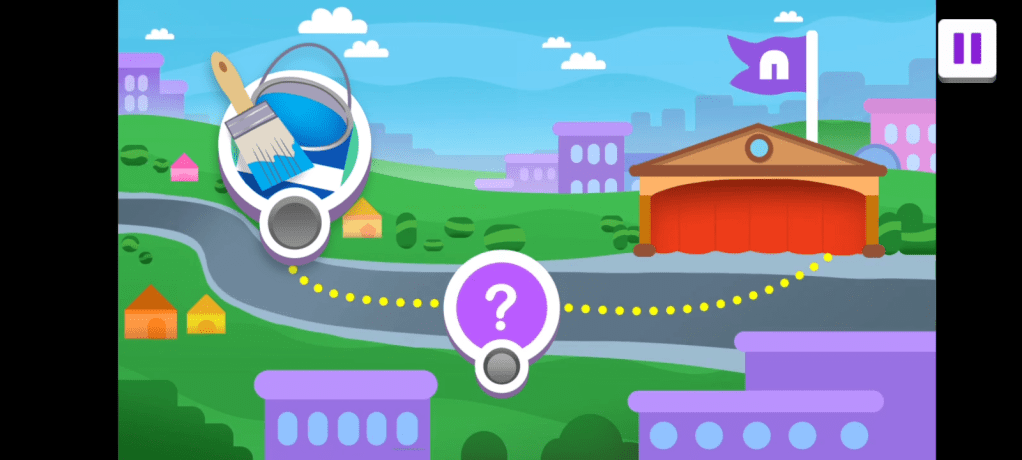
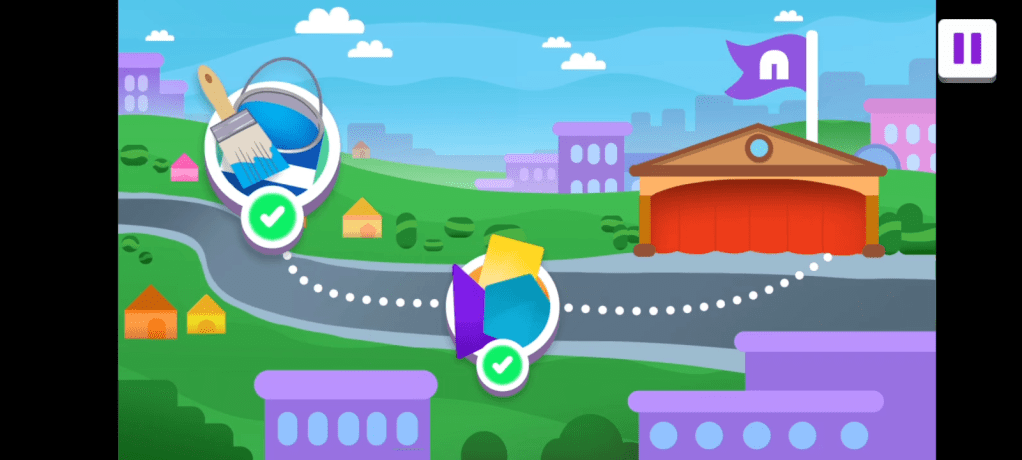
Much of the master logic is pre-prepared and re-used as a template from older missions, but you still have to change out the programmatic aesthetics in your keyframes, including the badge selection process, and the menu (see below), which nests in the same keyframe, but evolves over the course of the experience based on how my challenges the player has completed. As such, this means managing the respective tracking variables that see how many challenges have been completed, as well as the seek logic that tracks where in the source video the menu will seek to upon completion.

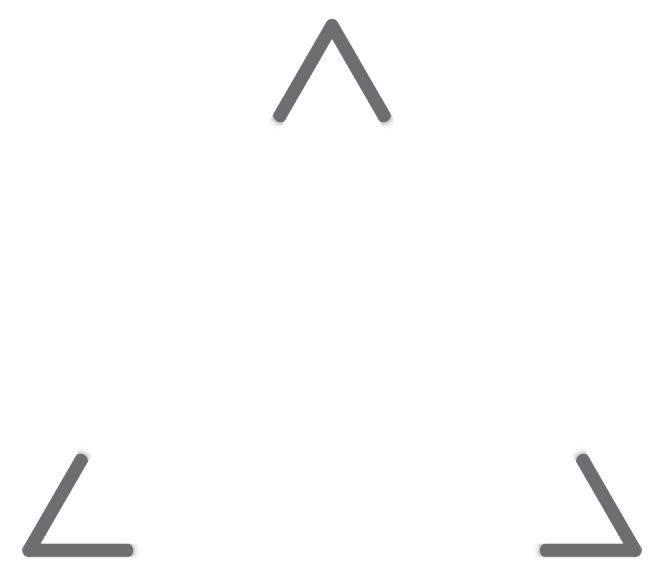
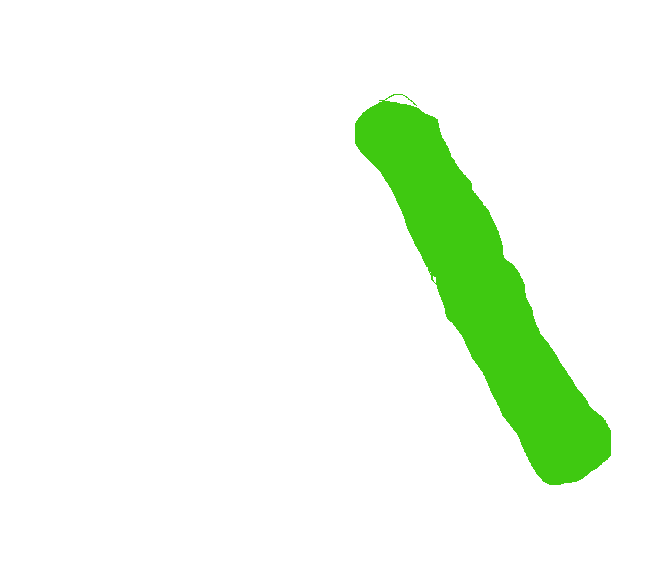
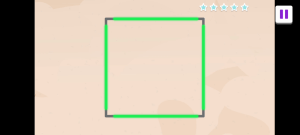
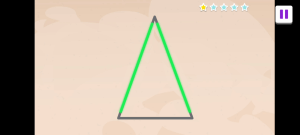
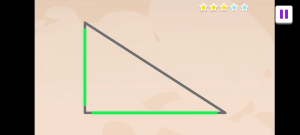
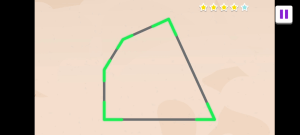
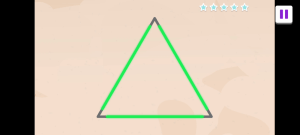
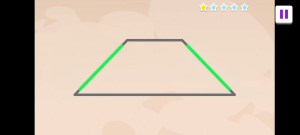
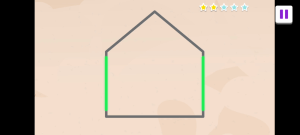
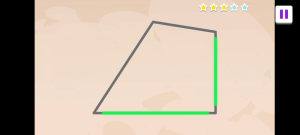
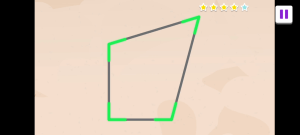
As is the case of most Missions when you “own” one, I was also in charge of Challenge (C1). The interactions within C1 consisted of tap logic that check whether the different lines (and some angles) of a given shape are correct (CA) or incorrect (WA). What ended up being tricky is that the edges and center of the shapes needed to register as WAs with distinct WA audio, and the assets as given, in order to be sized correctly, often took up so much space that they’d bump into the various box colliders that needed to be separate in order to register the correct response. As such, I ended up crafting several custom-made assets in Photoshop that I nested as invisible images underneath the visible images that turn on and off. These custom-made “invisible” assets in turn held the necessary box colliders to allow for the intricacies of the interaction.
Below, you can see the difference between the given assets (top) and my custom-made assets (bottom) to hold the necessary box colliders (for M212_C1_P2i1)




In addition, in C1, as opposed to the Leveling logic present in most other Mission challenges, there would be no “leveling” based on player skillset. Instead, the experience would toggle between a “playthrough 1” (P1) set of five interactions and a “playthrough 2” (P2) set of five interactions. This required a variable at the beginning of the challenge to track number of playthroughs, and in turn amounted to 10 total interactions crafted.
The two different versions of C1 can be viewed below.

Lastly, as part of being lead interactive editor on the mission, I also had to construct the payoff logic at the end of the experience. In addition to tracking some various music cues and some assets reveals (like a red curtain programmatically moving out of frame), I had to construct “Dodo dancing” logic.
Usually, a character moving haphazardly is built into the source video, but the end mural utilizes programmatically captured images of shapes from Challenge 2 (C2), and these images automatically layer on top of the source video. So, Dodo’s movement needed to be done programmatically, which required:
- Carefully placed components tracking Dodo’s movement
- Trigger that turn the various programmatic shape assets to the “smiling” versions of them
- Rainbow poof particles linked to Dodo’s position that emit when he is “constructing” the shape faces
- Some re-sizing logic when Dodo lands to give off the impression of him squishing and stretching
Everyone loves the mural! Mission accomplished!
 Matthew Floyd